
A look behind the National Trust’s Greyfriars House on Friar Street, Worcester during the early 1800s describing Georges Yard, a block of 10 tenements.


Focus On Friar Street – Greyfriars (part 2, George Harrison’s Umbrella Repair Shop)
A look at the National Trust’s Greyfriars House on Friar Street, Worcester during the early 1800s describing George Harrison’s umbrella shop at no.11½.
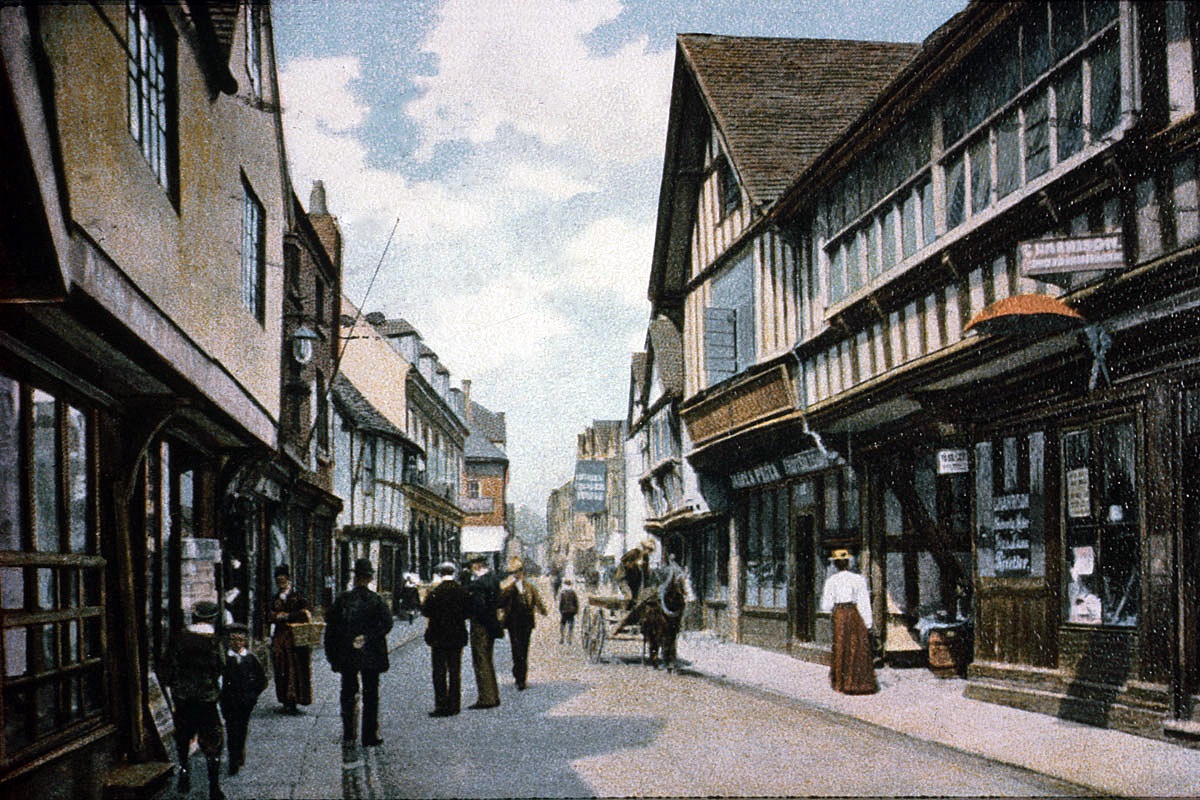
Focus On Friar Street – Greyfriars (part 1, Schaffer, George & Frost)
Tudor House Museum sits roughly half-way along one of Worcester’s most historic streets – Friar Street. The history of some the buildings that grace Friar Street is fascinating and the stories behind them are retold in our #FriarSreetFocus social media threads. Here we take look at the National Trust’s Greyfriars House on Friar Street, Worcester during the early 1800s describing how it was converted for use into retail units.

John “Rood-loft” Cottryl
The Cottryl family are inextricably linked to the Tudor history of Friar Street in general and Tudor House in particular. We have definitive records of several generations of Cottryls being present dating back as far as the reign of Henry VIII and extending to beyond the death of Elizabeth I in 1603. John Cottryl lived at around the time that the current half-timbered building was erected. This makes him a very strong candidate for having had a hand in its construction and maybe even living in it too.
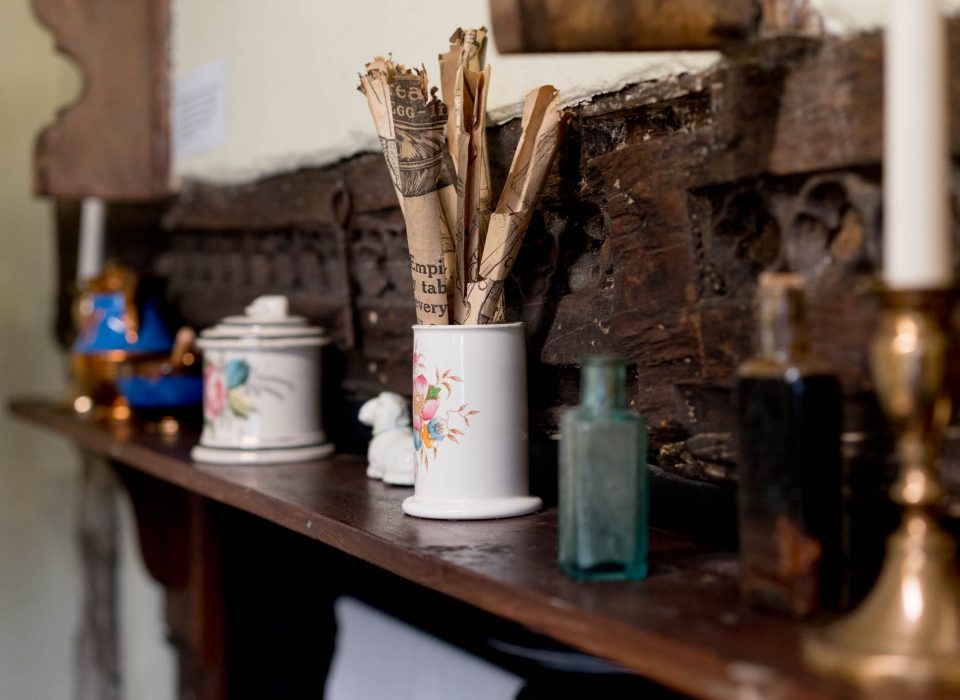
Plague and Pestilence Winners!
Earlier this year, we launched our ‘Plague and Pestilence‘ writing competition, part of our National Heritage Lottery Funded Revealing the Past project. We received many excellent entries, and were so […]
The Talkies: Tudor Like You
Ever wanted to know more about the people who lived in Tudor House over the years? Join us for a monthly deep dive into one aspect of our history, in […]
Plague and Pestilence Writing Competition
Tudor House is thrilled to announce an exciting new competition for budding young authors in Worcestershire, as part of our National Heritage Lottery Funded Revealing the Past project! We have […]
Elinor Shipway (Part 9 – Finis)
Elinor Shipway died in July 1760 at the age of 65. The closest of her family had preceded her to the grave but her will suggests she still had the comfort of her extended family. She had helped establish the Cross Keys Tavern and, with her husband, had seen its expansion. This, the final instalment of Elinor’s involvement with what is now Tudor House museum, sets the scene for the next stage of the history of the Cross Keys.
Elinor Shipway (Part 8 – Final Years)
After the death of Thomas Shipway Elinor lived another 8 years. She finally passed away in July 1760, having reach the age of 65. She outlived two husbands, two sons and a number of siblings. She was buried in St Helen’s in the same grave as her two Nicholas’s – son and husband